Pre-crushing
Reducing the mineral to protect the mill.

Robust systems for limestone, calcium carbonate, bentonite, barite, gypsum and other dry minerals.
Chat on WhatsAppEach stage is sized according to hardness, abrasion, moisture, fineness and capacity.
Reducing the mineral to protect the mill.
Uniform dosing to keep the mill load stable.
The classifier separates on-spec product and returns oversize.
Dust recovery and filling into bags or big bags.
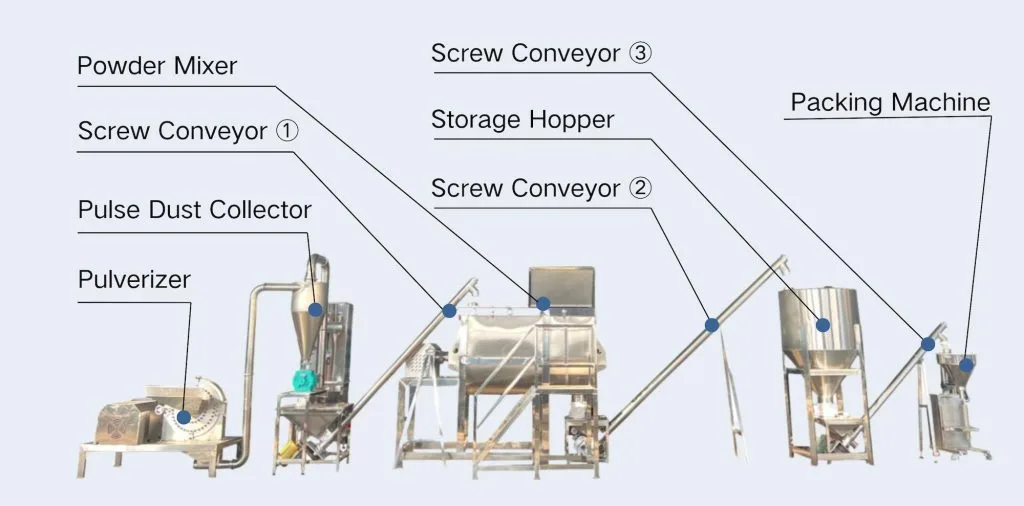
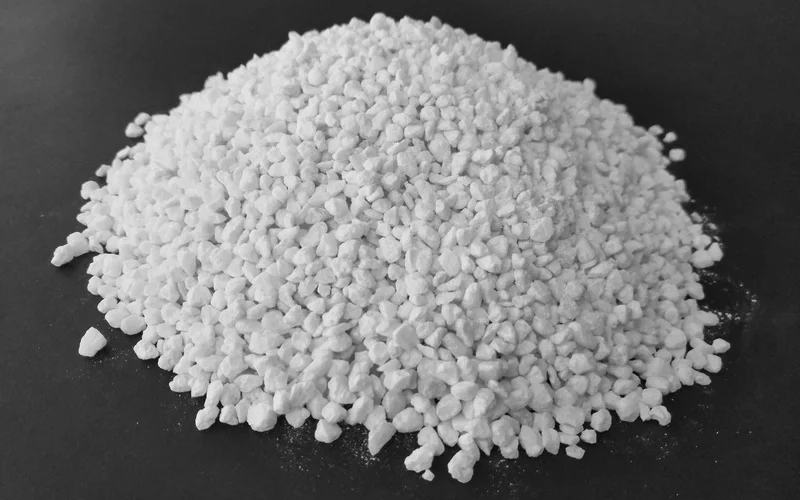
Powders for construction and mineral fillers.
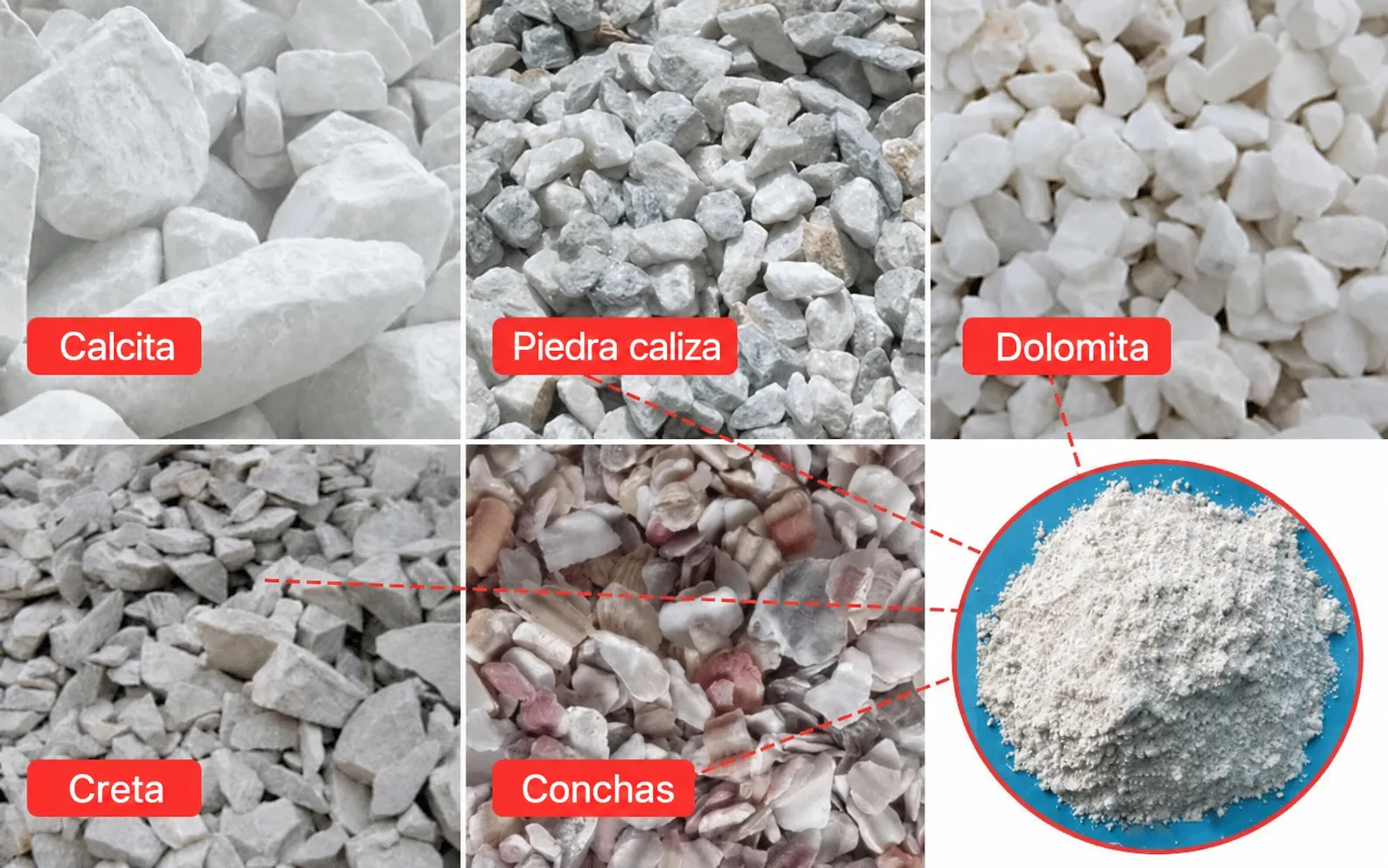
Grinding to the required particle size.
Crushing, grinding, classification and bagging.
| Factor | Required information | Impact on design |
|---|---|---|
| Mineral | Hardness, abrasion, moisture | Mill and power |
| Feed | Max size | Crusher and feeder |
| Product | Required fineness | Classifier |
| Capacity | kg/h | Line size |
Send us a sample, capacity and fineness to select the system.
Via classifier, speed and air flow.
By selecting materials based on hardness and abrasion.
Yes, oversize returns to the mill.
Yes, with negative pressure and a bag filter.