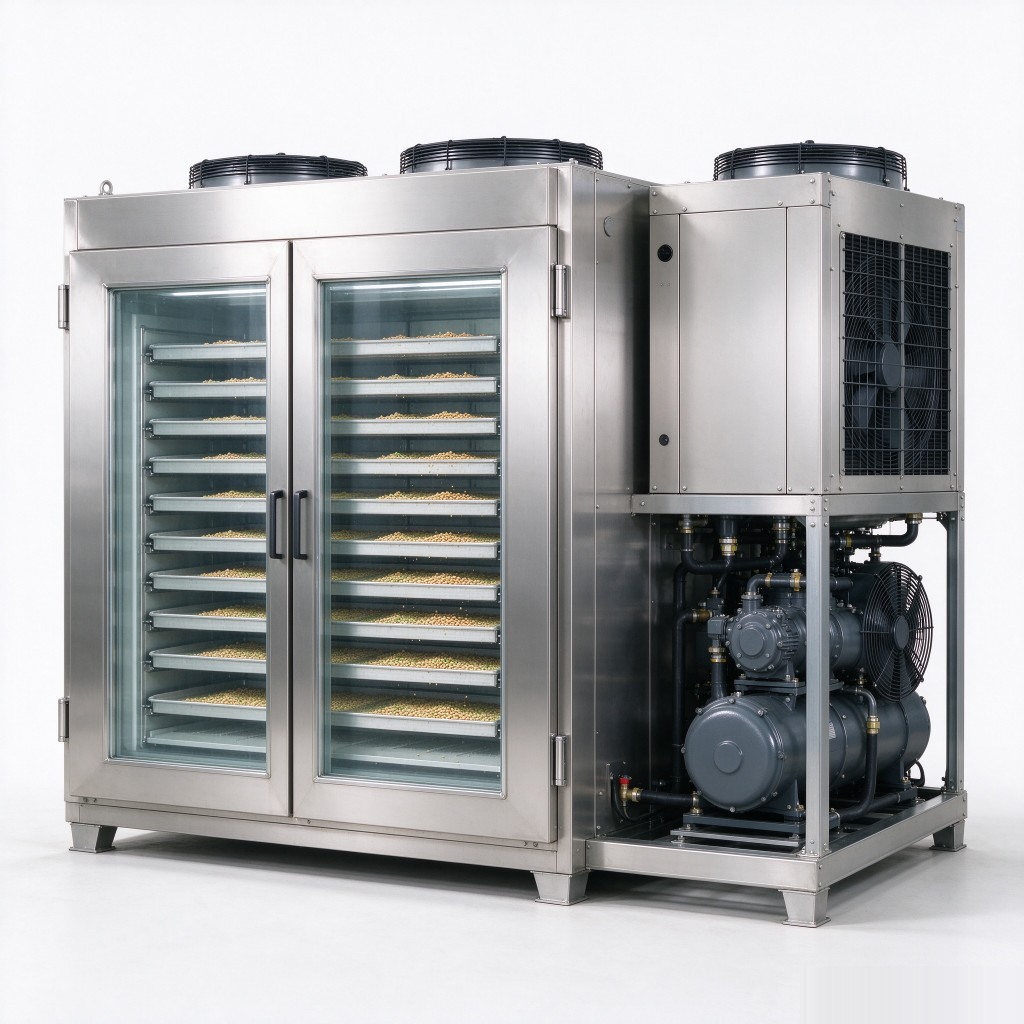
Batch drying with circulating warm air
Dry materials in a tray-loaded chamber with circulating warm air. Tell Pinchuang Machinery your material, batch size and drying requirements to discuss a suitable configuration.
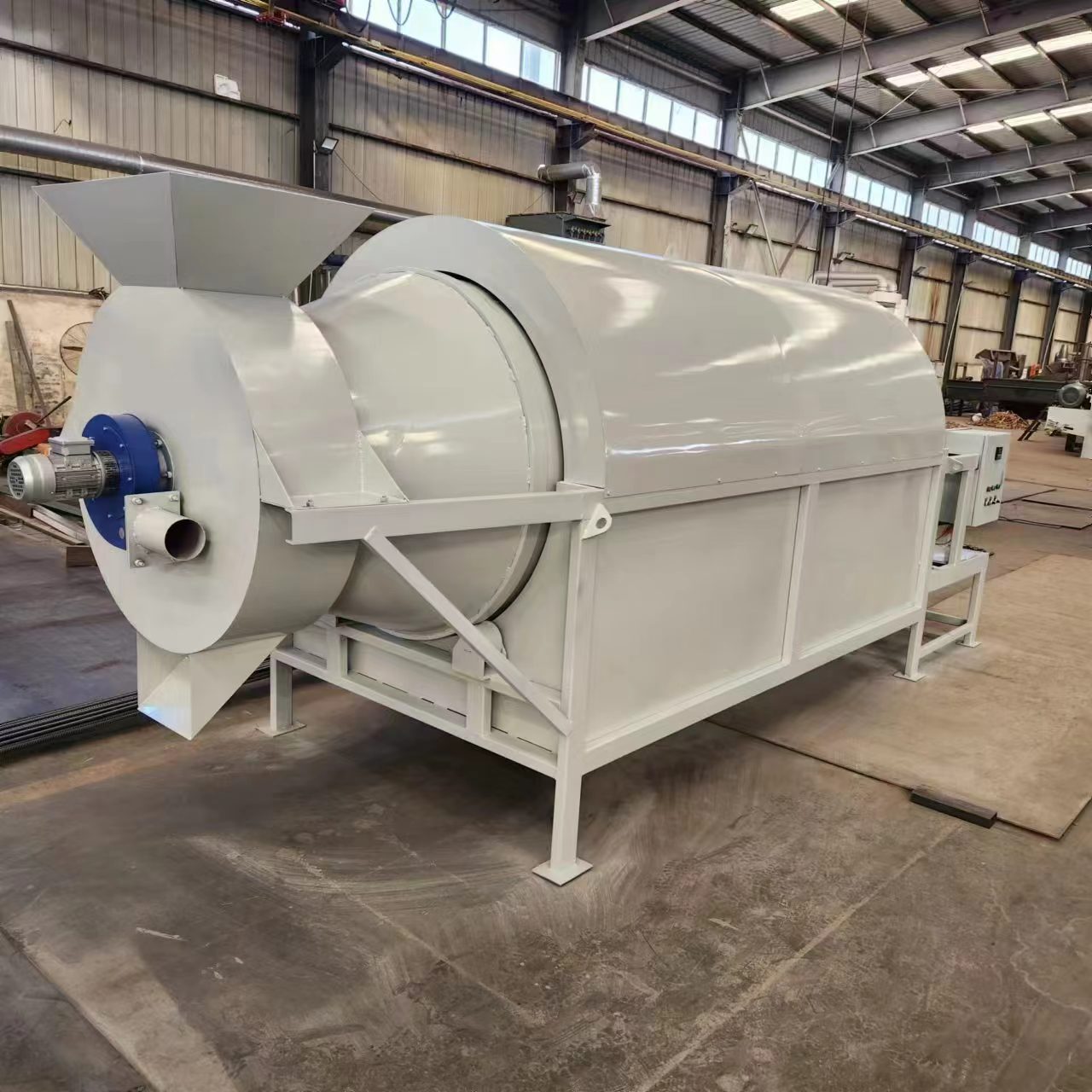
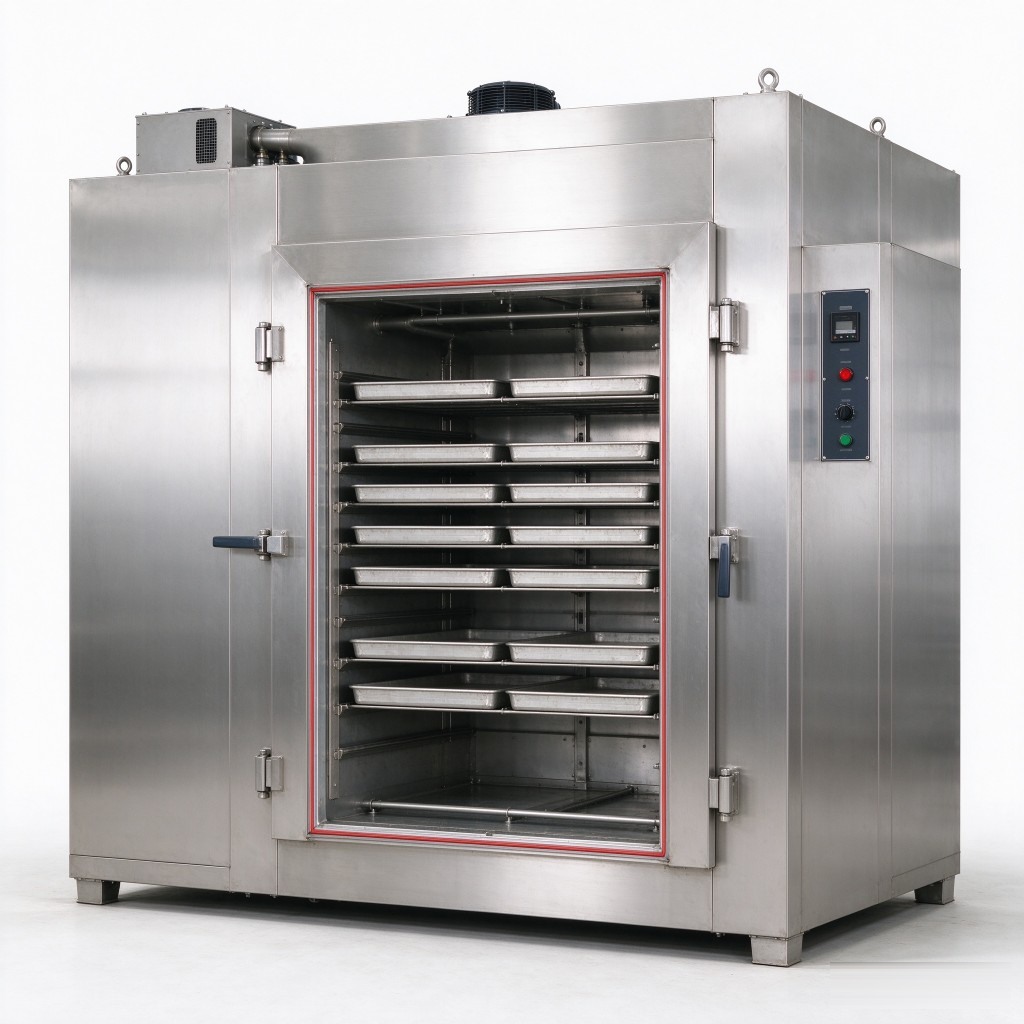
This hot air dryer is a batch drying room for material loaded onto trays. Unlike a rotary dryer, the product remains on its trays rather than being lifted and tumbled inside a rotating drum. Tray type, loading depth and operating conditions are selected for the material and desired result. Drying performance depends on initial moisture, target moisture, particle size and loading method. A material trial helps establish suitable settings before selecting a production model.
How it works
Prepare and load
Prepare the wet material and spread it across compatible trays. Keep the layer depth appropriate for airflow and the material’s handling characteristics.
Circulate warm air
Place the loaded trays in the chamber and run the selected drying cycle. Circulating warm air transfers heat to the material. Moisture removal and exhaust arrangements depend on the quoted configuration.
Check and unload
Check moisture at representative positions before unloading. Use the results to adjust time, temperature, tray loading or material preparation for subsequent batches.
What to consider when selecting this dryer
Stationary tray loading
The material stays on trays during drying. This can suit products whose shape should be retained, subject to testing for cracking, sticking and other changes.
Batch production workflow
Load, dry, inspect and unload a defined batch. Confirm the required loading capacity together with cycle time, rather than comparing batch weight alone.
Material-specific setup
Discuss tray construction, layer thickness, airflow and temperature requirements. The actual heating source and control arrangement are confirmed in the equipment proposal.
Start with what you need to dry
These are application directions for discussion. The final equipment recommendation depends on the material and its drying behaviour.
- Plant and food materials. Discuss sliced produce, herbs and other suitable materials, including appearance, hygiene and temperature requirements.
- Industrial granules and formed products. Evaluate compatible granules or formed products that can be spread on trays. Trials should check sticking, breakage and final moisture.
- Compatible wet powders. Some wet powders may be evaluated with suitable trays and handling arrangements. Material chemistry, dust behavior and thermal limits must be reviewed first.
Information for your proposal
Use the same moisture measurement basis for incoming and finished material. Tell us whether the stated capacity is wet-feed weight or finished-product weight.
- What material are you drying, and what is its form or particle size?
- What are the initial and target moisture contents?
- How much wet material must be processed per batch?
- How many batches or operating hours are required per day?
- What temperature, appearance and product-quality limits apply?
- Which country is the installation in, and what utilities are available?
Request an equipment proposal
Share your material, moisture levels and production needs for a tailored equipment proposal.
Send Message Chat on WhatsAppBefore you choose a model
How is this different from a heat pump dryer?
Hot air describes the drying medium; heat pump describes a heating and dehumidification technology. Both can use tray-loaded chambers. Compare the actual configurations and operating data in your quotation.
Can it dry detergent powder?
Wet powder or granules require a material review and trial. Converting liquid slurry into powder is a different process and should not be assumed suitable for this tray dryer.
What batch capacity should I choose?
Provide wet loading weight and the production schedule. Usable capacity depends on tray area, layer depth and drying time for your material.