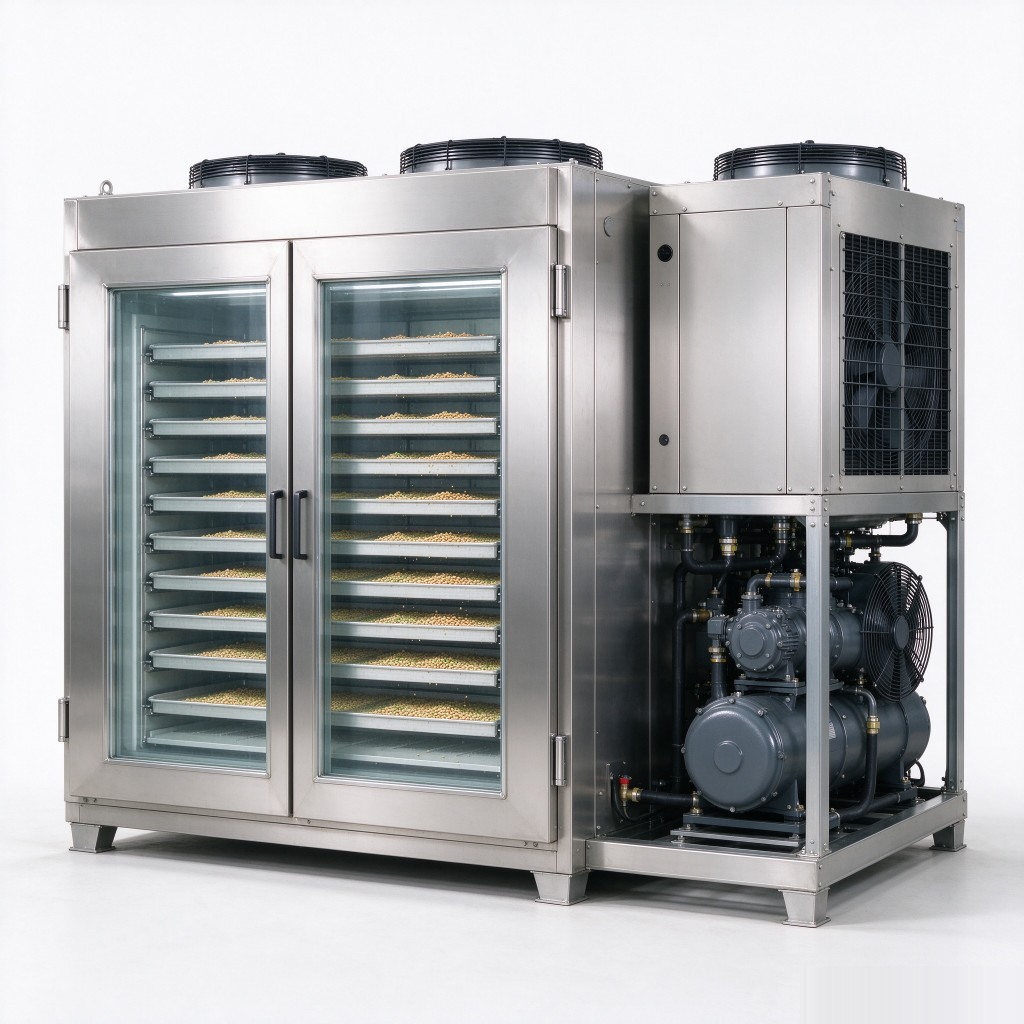
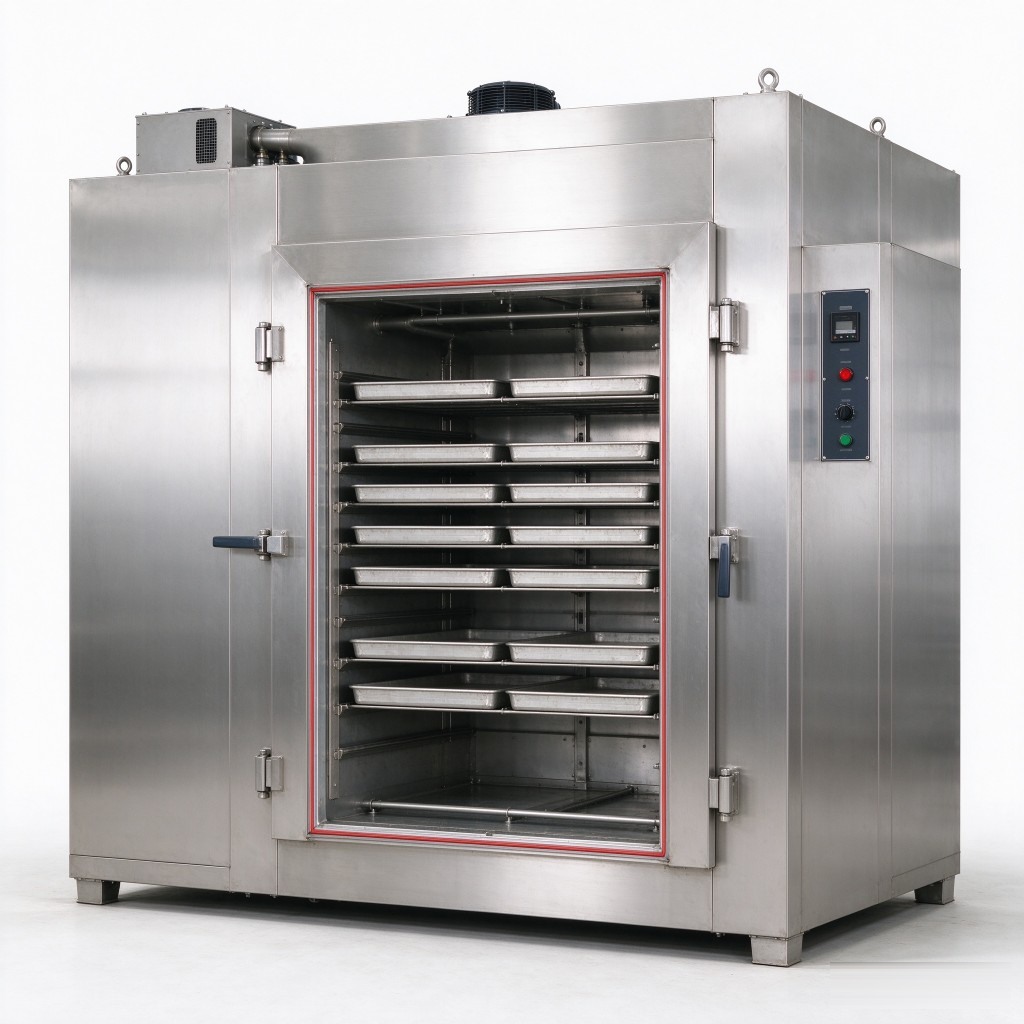
Built around the drying requirement
Explore a rotary drying system for your production process. Tell Pinchuang Machinery what you need to dry, how much material you handle, and the moisture level you want to achieve. We will discuss equipment selection around your operating requirements. Send your drying requirements to request an equipment proposal and quote.
Rotary dryers use a rotating drum to move or redistribute material during drying. The appropriate design depends on the material’s behaviour, moisture content and operating schedule. A dryer selected for one material should not automatically be applied to another. Pinchuang Machinery reviews your application before proposing a model, with batch or continuous operation considered according to the available equipment and process requirements.
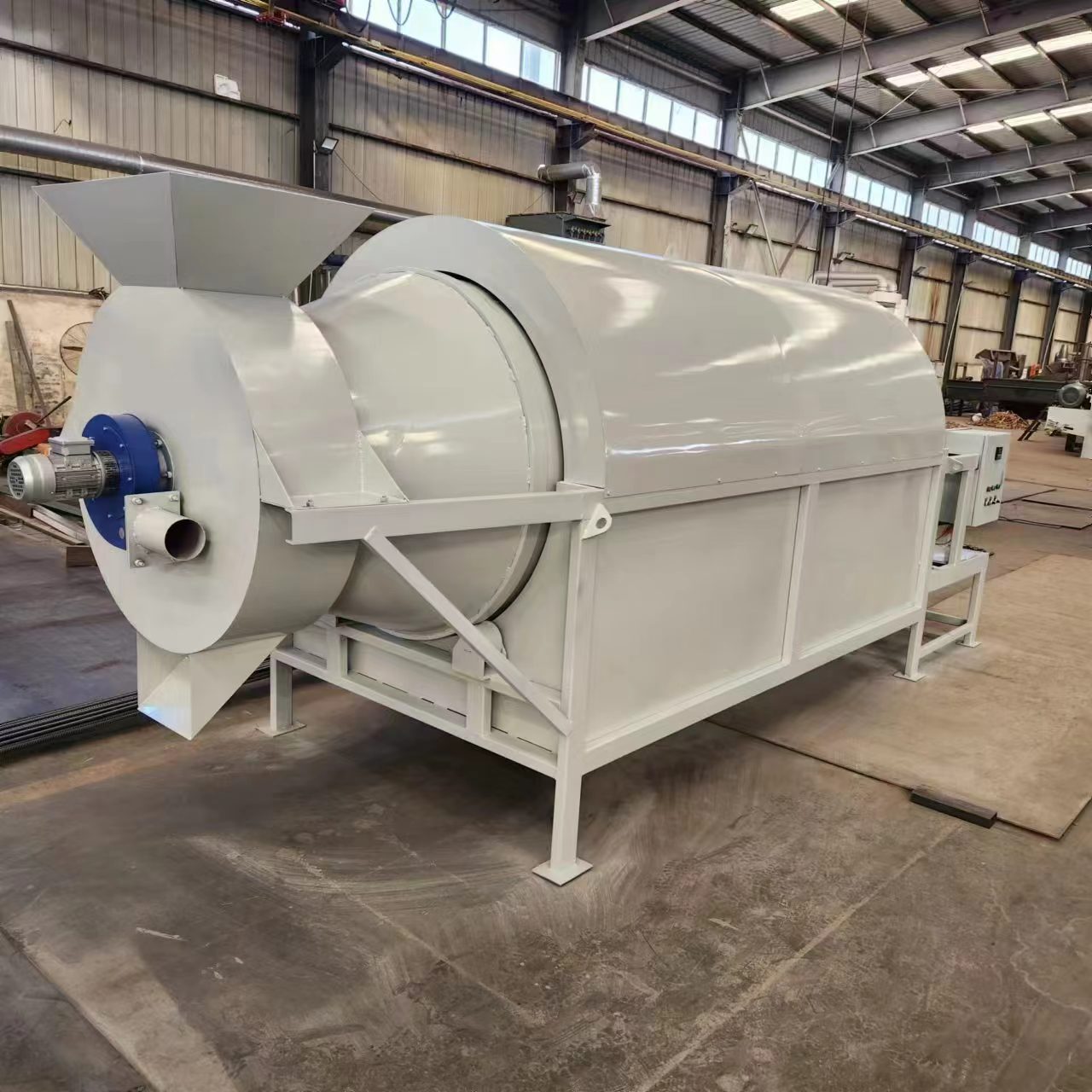
How it works
Feed the material
Wet material enters the drum through the feeding arrangement specified for the selected model.
Rotate and redistribute
Drum rotation redistributes the material. Where fitted, internal lifting flights raise and release it to increase exposure to the drying environment.
Dry and discharge
Heat drives moisture removal. Material is discharged in batches or moves toward an outlet during continuous operation, depending on the machine design.
What to consider when selecting this dryer
Process-based selection
Start with your actual material and drying target to identify a suitable equipment direction.
Operating format
Review batch size or hourly throughput together with loading, unloading and production scheduling.
Production-line planning
Discuss feeding, discharge and site requirements before confirming how the dryer will fit into your process.
Start with what you need to dry
These are application directions for discussion. The final equipment recommendation depends on the material and its drying behaviour.
- Wood and biomass. For sawdust or wood-chip enquiries, share particle size, moisture levels and the intended use of the dried material.
- Sand and minerals. For mineral enquiries, provide composition, particle size and drying targets so the suitability of a rotary design can be assessed.
- Cat litter and industrial granules. Specify the formulation, heat sensitivity and acceptable particle damage. These materials require application-specific assessment.
- Brewing and agricultural by-products. For spent grain and similar materials, describe stickiness, initial moisture and the required condition of the finished product.
Discuss the configuration your process needs
The photographs show different rotary dryer configurations. Confirm the selected model’s operating mode, heating arrangement and material-handling connections in your quotation.
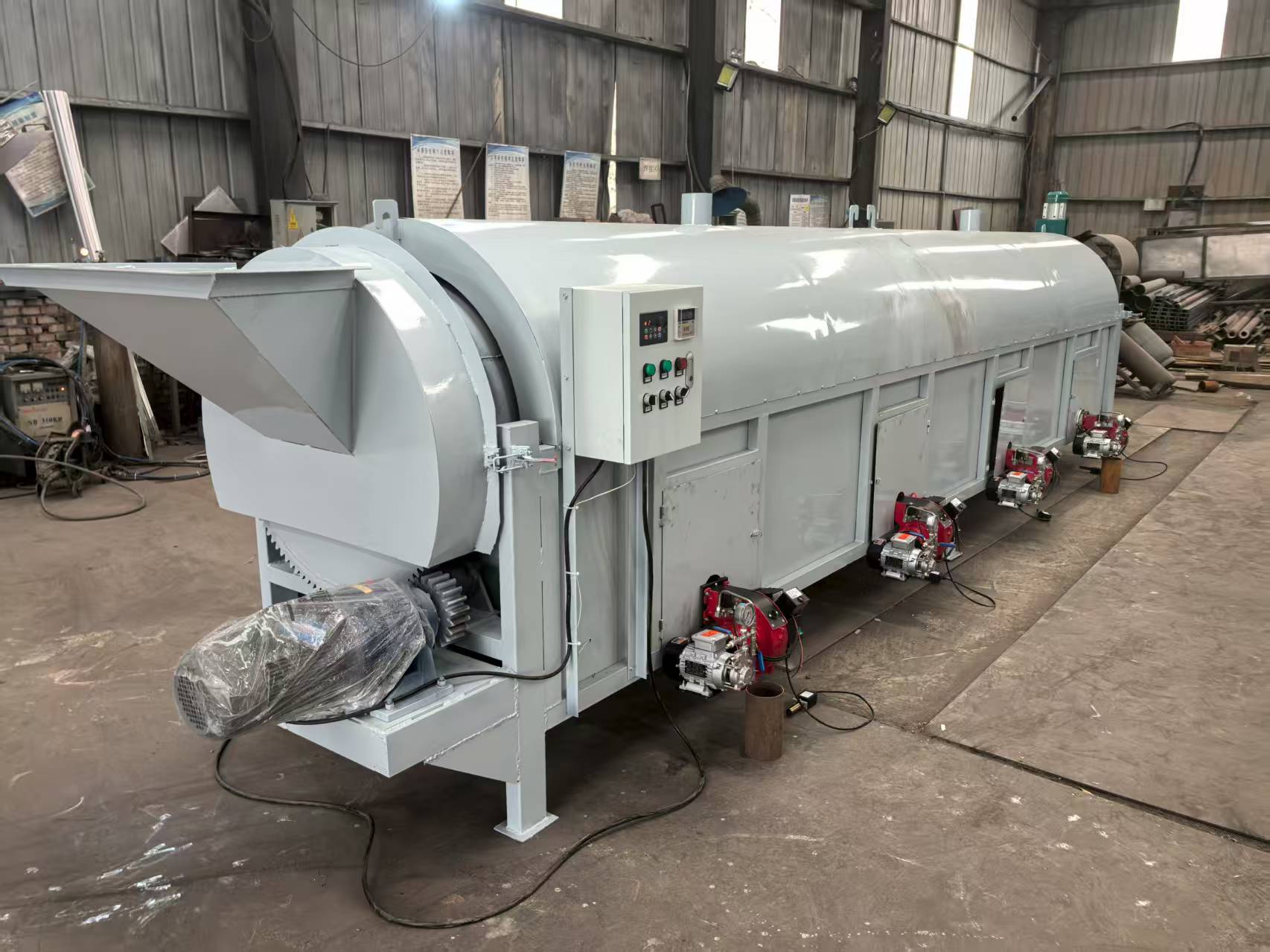
Information for your proposal
Use the same moisture measurement basis for incoming and finished material. Tell us whether the stated capacity is wet-feed weight or finished-product weight.
- Material name, composition and a photograph or sample.
- Initial and target moisture content, including the measurement basis.
- Required wet-feed throughput or batch weight.
- Particle size and allowable drying temperature.
- Available electricity and other heating utilities.
- Installation country, usable space and process connections.
Request an equipment proposal
Send your material, moisture levels and production schedule. We will discuss a rotary dryer direction and prepare a quotation.
Send Message Chat on WhatsAppBefore you choose a model
Are all rotary dryers continuous?
No. Operating mode depends on the model. Confirm whether your process needs batch handling or continuous material flow before selecting equipment.
Which heating method should I choose?
Heating selection depends on the material, temperature requirements and utilities available at your site. Ask us to confirm the options offered for the proposed model.
How do I get a capacity recommendation?
Send your material, moisture levels and required output. State whether capacity means incoming wet material or finished dry product so the quotation uses the correct basis.