Material control before the next process
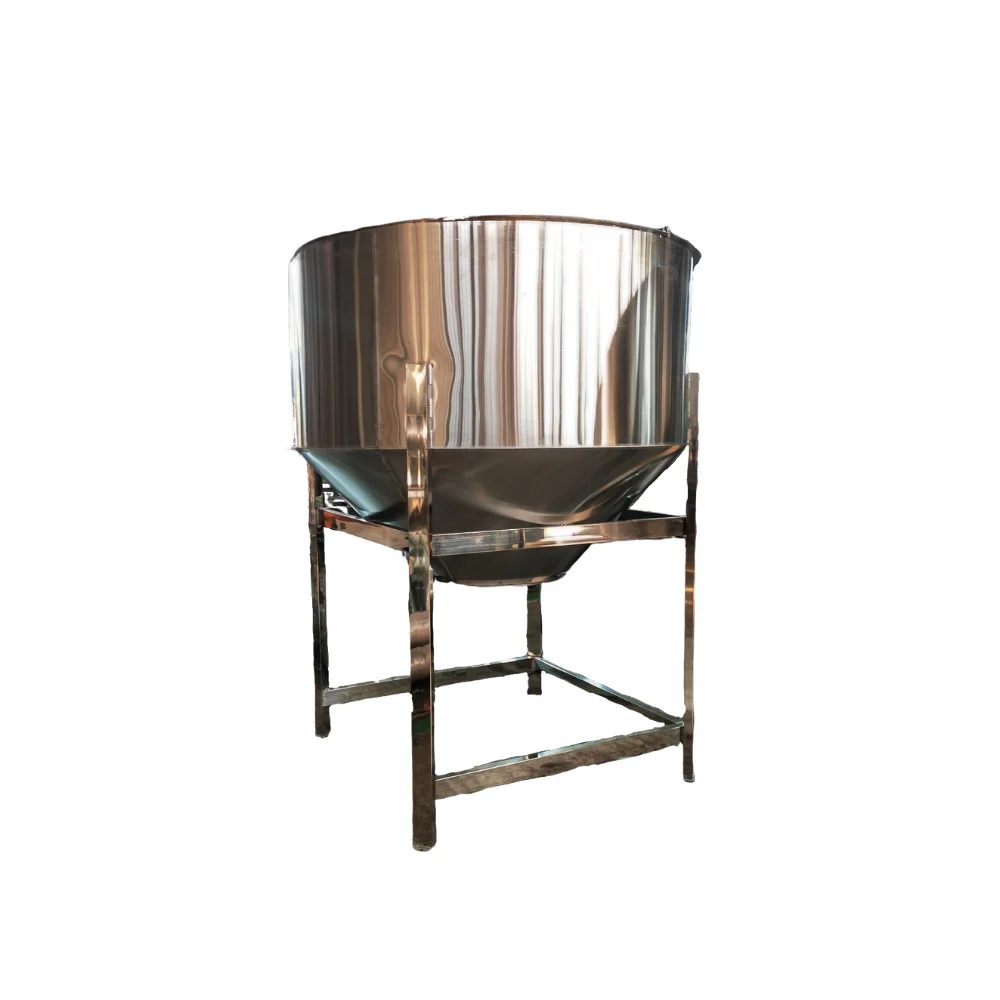
Industrial silo of 2–20 m³ for temporary storage and controlled discharge of powders and granules. Available in carbon steel, SS304 or SS316L.
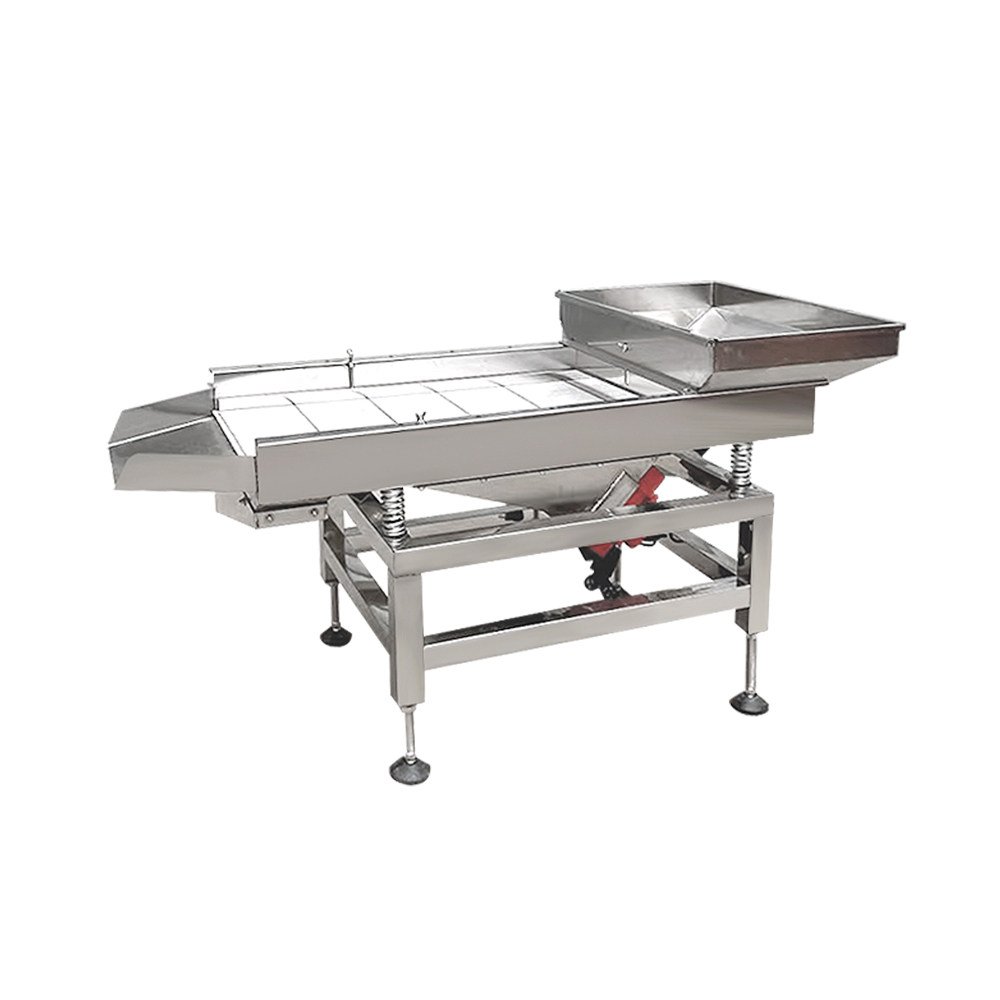
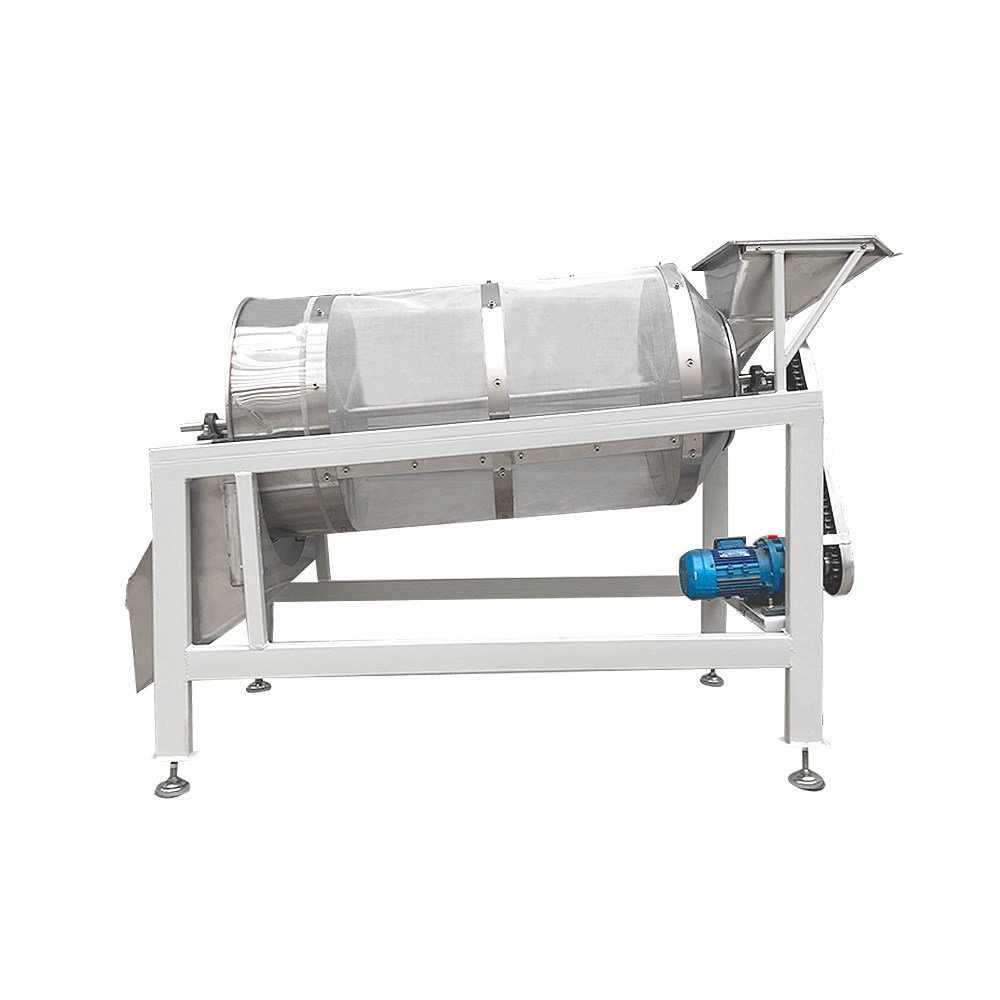
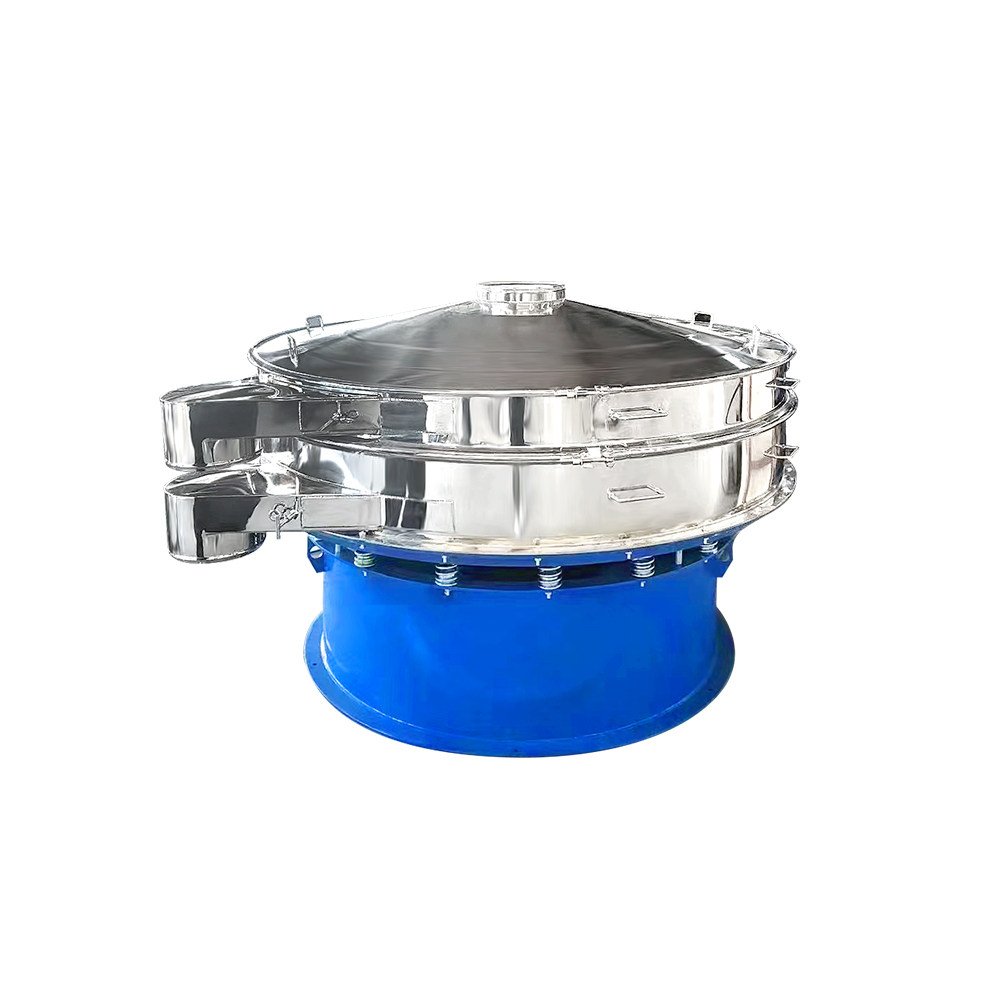
The auxiliary equipment stabilizes the flow, separates fractions or stores the product so the main line runs continuously and in order.
How it integrates into production
Reference specifications
| Models | Silo-2, Silo-5, Silo-10 and Silo-20 |
|---|---|
| Capacity | 2–20 m³ |
| Indicative weight | 100–1000 kg |
| Motor power | 3–15 kW |
| Reference dimensions | 1,7 × 2 × 2,9 m |
| Available materials | carbon steel, SS304 or SS316L |
| Discharge | screw conveyor, pneumatic gate, vibratory discharge or combined system |
| Final configuration | according to material, capacity and process. |
Actual capacity depends on the material properties, particle size, moisture and working conditions.
Recommended applications
- Food lines
- Chemical and pharmaceutical processes
- Minerals, fertilizers and feed
Data needed to select the model
- Material and bulk density
- Input size and required output
- Capacity per hour or per batch
- Electrical supply and cleaning requirements
Selection and configuration table
| Selection item | Recommended configuration |
|---|---|
| Usable capacity | According to flow rate and retention time |
| Separation or discharge | Screen, valve or feeder |
| Instrumentation | Level, weight or optional flow control |
| Contact material | Carbon steel, SUS304 or SUS316L |
Specific equipment data
Material control before the next process
Industrial silo of 2–20 m³ for temporary storage and controlled discharge of powders and granules. Available in carbon steel, SS304 or SS316L.
The auxiliary equipment stabilizes the flow, separates fractions or stores the product so the main line runs continuously and in order.
How it integrates into production
Reference specifications
| Models | Silo-2, Silo-5, Silo-10 and Silo-20 |
|---|---|
| Capacity | 2–20 m³ |
| Indicative weight | 100–1000 kg |
| Motor power | 3–15 kW |
| Reference dimensions | 1,7 × 2 × 2,9 m |
| Available materials | carbon steel, SS304 or SS316L |
| Discharge | screw conveyor, pneumatic gate, vibratory discharge or combined system |
| Final configuration | according to material, capacity and process. |
Actual capacity depends on the material properties, particle size, moisture and working conditions.
Recommended applications
- Food lines
- Chemical and pharmaceutical processes
- Minerals, fertilizers and feed
Data needed to select the model
- Material and bulk density
- Input size and required output
- Capacity per hour or per batch
- Electrical supply and cleaning requirements
Specific equipment data
What is a storage silo?
A storage silo is auxiliary equipment designed to temporarily store and buffer the flow of bulk materials. It is mainly used in powder and granule production lines to maintain a stable supply, control discharge and continuously connect one process stage to the next.
Function within the production line
A typical configuration is:
Grinding → Mixing → Elevating → Silo → Elevating → Packaging
- Receives material after grinding or mixing.
- Provides temporary storage and transition between processes.
- Delivers the product in a controlled manner to the conveyor, elevator or packaging system.
Main functions
- Material buffering: reduces interruptions and blockages between upstream and downstream equipment.
- Uniform feeding: enables stable discharge via screw, pneumatic gate or vibratory system.
- Batch management: makes batch transitions easy without stopping the entire line.
- Less manual handling: improves automation and reduces labor intensity.
Materials and configurations
- Manufactured in carbon steel, SS304 or SS316L stainless steel.
- Square structure or conical bottom.
- Discharge via screw conveyor, pneumatic gate, vibratory discharger or a combined solution.
- Optional integration with sensors and automatic control systems.
Applications
- Food: flour, starch and seasonings.
- Spices and herbs: intermediate storage after grinding.
- Chemical industry: transition of powdered or granulated raw materials.
- Agriculture and feed: pellets, additives and ingredients.
- Construction materials: mortar, powder putty and dry mixes.
Product advantages
- Robust structure and customizable capacity.
- Direct integration with complete production lines.
- Hygienic options for food and pharmaceutical products.
- Smooth discharge to reduce bridging and blockages.
- Compatible with automatic conveying, dosing and packaging systems.
Models and parameters
| Model | Capacity | Available material | Discharge type | Typical applications |
|---|---|---|---|---|
| Silo-2 | 2 m³ | SS304 | Screw conveyor | Food and pharmacy |
| Silo-5 | 5 m³ | Carbon steel | Pneumatic gate | Chemicals and feed |
| Silo-10 | 10 m³ | SS316L | Vibratory discharge | Spices and additives |
| Silo-20 | 20 m³ | Carbon steel | Screw and gate combined | Construction materials |
Parameters are indicative. The final configuration is confirmed according to material properties, required capacity, upstream process and the feeding method of the next stage.
Configuration adapted to your process
We can adjust contact materials, capacity, dimensions, feeding, discharge and auxiliary equipment. Send a sample or process data to confirm the selection.
Request configuration and pricingConfiguration adapted to your process
We can adjust contact materials, capacity, dimensions, feeding, discharge and auxiliary equipment. Send a sample or process data to confirm the selection.
Request configuration and pricingFrequently asked questions about the Storage Silo
How is the right Storage Silo model selected?
We need to know the material, bulk density, moisture, initial and final size, capacity, working hours and electrical supply. With this data we recommend the model and auxiliary equipment.
Can the Storage Silo be customized?
Yes. Dimensions, screen, capacity, discharge, sensors and connections can be adapted to the existing line.
What manufacturing materials are available?
We normally offer carbon steel, SUS304 stainless steel and, for more demanding processes, SUS316L. The selection depends on corrosion, hygiene, abrasion and budget.
Is it easy to clean and maintain?
The design can include access points, brush cleaning, spraying or polished surfaces depending on the equipment function.
Can it be integrated into an automatic line?
Yes. It can be connected with feeding, conveying, mixing, screening, dust collection, PLC control and packaging according to the production flow.
Can a test be run with my material?
When the project requires it, we recommend a material test to confirm capacity, process results and configuration before manufacturing the final equipment.